
Alcohol Addiction and Anxiety in Atlanta
- Feb 4
- 2 min read

Alcohol and anxiety are closely connected, often feeding into each other in a harmful cycle. Many people drink to calm their nerves, ease social discomfort, or escape stress. Over time, however, alcohol can actually worsen anxiety, making it more intense and harder to manage.
Understanding this connection helps explain why anxiety often increases the longer drinking continues.
Why Alcohol Feels Like It Helps Anxiety at First
Alcohol is a depressant that slows activity in the brain. In the short term, this can create feelings of relaxation and reduced tension.
For someone experiencing anxiety, this temporary relief can feel powerful—especially in social or high-stress situations.
The Rebound Anxiety Effect
As alcohol leaves the system, the brain rebounds into a stimulated state. Stress chemicals increase, and calming neurotransmitters drop.
This rebound effect often causes:
Heightened anxiety
Restlessness
Racing thoughts
Irritability
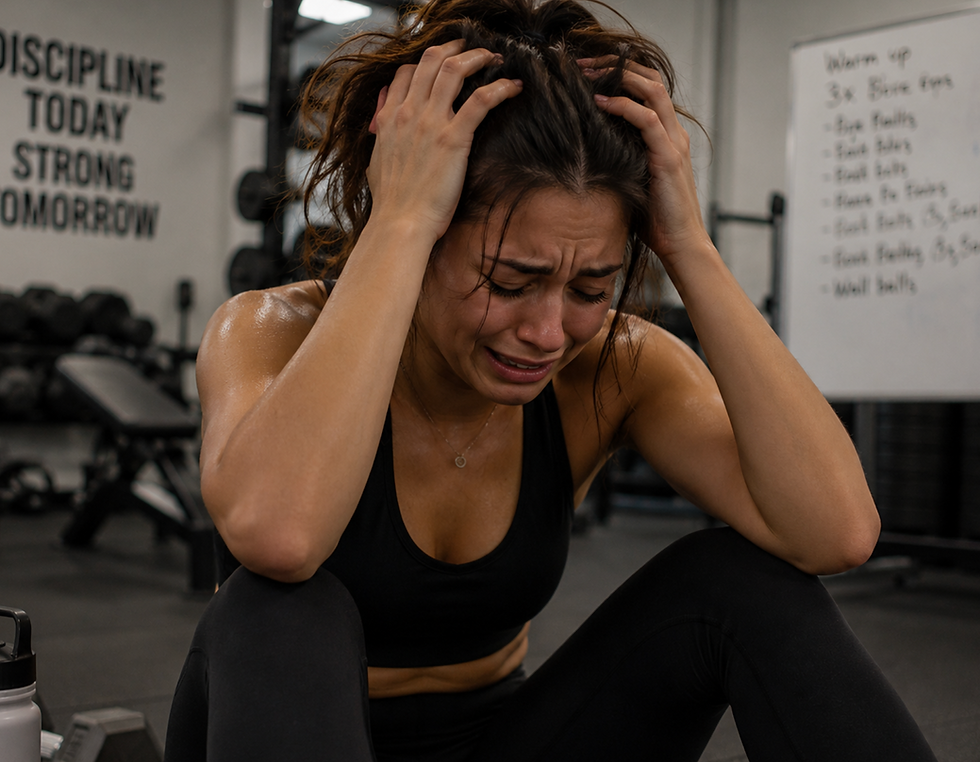
Panic symptoms
Anxiety after drinking is often stronger than the anxiety that existed before.
How Regular Drinking Worsens Anxiety
With repeated alcohol use, the brain becomes less capable of regulating stress naturally. Over time:
Baseline anxiety increases
Panic attacks become more frequent
Tolerance develops
More alcohol is needed to feel calm
This creates a cycle where alcohol both causes and temporarily masks anxiety.
Anxiety Between Drinking Episodes
Many people notice anxiety even when they are not actively drinking. This can include:
Morning anxiety
Uneasiness throughout the day
Fear without clear cause
Anticipation of the next drink
These symptoms often signal developing dependence.
Alcohol and Sleep-Related Anxiety
Alcohol disrupts normal sleep patterns. Poor sleep significantly worsens anxiety, making emotions feel harder to control and stress more intense.
Nighttime anxiety and early-morning panic are common signs of alcohol-related anxiety.
Panic Attacks and Alcohol Use
Alcohol can trigger panic attacks, especially during withdrawal periods. Rapid heartbeat, shortness of breath, dizziness, and fear can feel sudden and frightening.
These symptoms are often misinterpreted as separate anxiety disorders when alcohol is actually the underlying cause.
Why Anxiety Leads to More Drinking
When anxiety increases, many people drink again to feel relief. Unfortunately, this reinforces the cycle and strengthens dependence.
Temporary calm leads to long-term worsening symptoms.
Emotional and Mental Health Impact
Long-term alcohol use can contribute to:
Generalized anxiety
Social anxiety
Panic disorder symptoms
Emotional instability
These mental health effects often persist until alcohol use is addressed.
Breaking the Alcohol–Anxiety Cycle
Reducing or stopping alcohol allows the nervous system to gradually rebalance. As brain chemistry stabilizes, anxiety symptoms often improve.
However, anxiety may temporarily worsen early in sobriety before it gets better.
Support During Recovery
Managing anxiety during recovery often requires:
Emotional support
Healthy coping strategies
Stress management skills
Structured routines
Patience during nervous system healing
Treating both anxiety and alcohol use together leads to better outcomes.
Alcohol and anxiety are deeply intertwined. While drinking may feel like relief in the moment, it often intensifies anxiety over time.
Understanding this relationship can be the first step toward lasting emotional balance and recovery.
If you or a loved one are struggling with mental health issues, please give us a call today at 833-479-0797.

Comments