
Claude Lemieux’s Death Reminds Us That Mental Health Struggles Can Affect Anyone
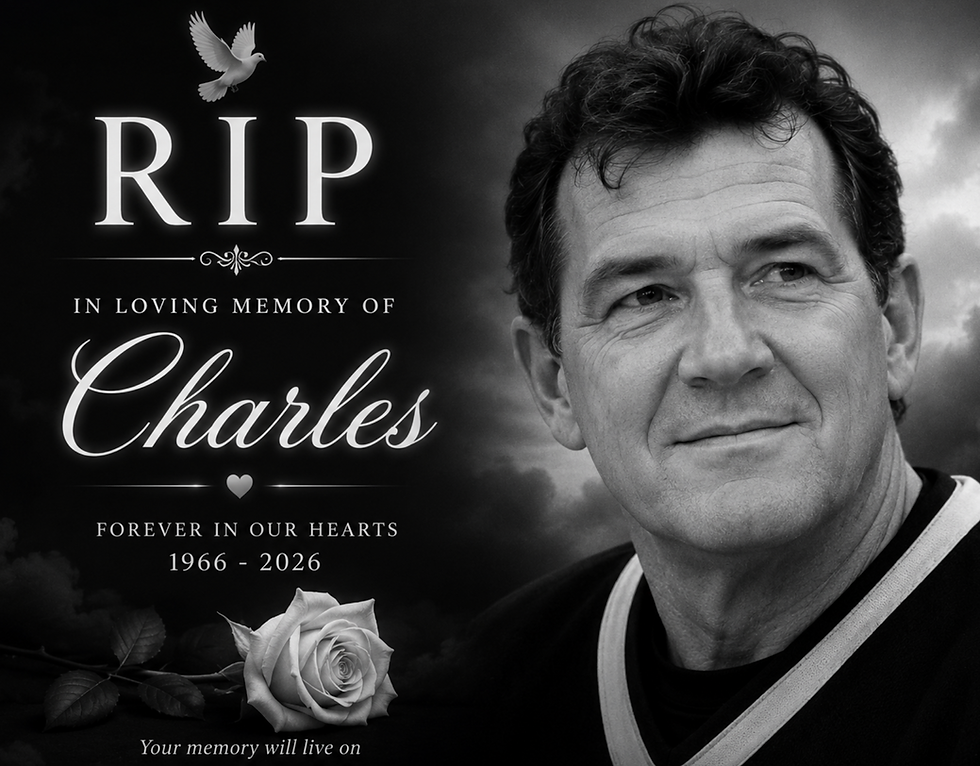
The sports world was shocked this week after reports emerged that former hockey star Claude Lemieux had died at age 60. Known as one of hockey’s fiercest competitors and a four-time Stanley Cup champion, Lemieux built a legacy around toughness, competitiveness, and performing under pressure.
Reports indicate Lemieux died by suicide, making the news even more heartbreaking. His passing serves as a reminder that mental health struggles do not always have visible warning signs and can affect people regardless of fame, accomplishments, or success.
Stories like this are difficult because they force people to confront an uncomfortable reality: someone can appear strong on the outside while silently struggling on the inside.
The Pressure Behind the Public Image
Professional athletes live under pressure most people never experience.
From a young age, many athletes are taught to push through pain, ignore emotions, and continue performing regardless of what they are dealing with personally. Careers are often built around discipline, toughness, and resilience.
While those traits can create great competitors, they can also make vulnerability feel difficult.
Athletes often deal with criticism from fans, injuries, changing careers, identity struggles after retirement, financial pressure, chronic pain, and enormous expectations from others. Over time, those pressures can become overwhelming.
The reality is that emotional struggles do not disappear simply because someone had a successful career.
Mental Health Struggles Are Often Hidden
One of the hardest parts about mental health is that many struggles happen privately.
People frequently assume successful individuals are doing well because of what they see publicly. Championships, money, popularity, and accomplishments can create the illusion that someone has everything figured out.
Mental health does not work that way.
Depression, anxiety, loneliness, trauma, emotional exhaustion, and suicidal thoughts can affect anyone. Many people become skilled at hiding what they are experiencing because they fear judgment or do not want others to worry.
That is why conversations around mental health matter so much.
Why Conversations Around Suicide Matter
When someone dies by suicide, people often search for one explanation.
Usually, there is not one.
Mental health struggles are complicated and influenced by many factors that family members, friends, and the public may never fully understand.
What tragedies like this can do, however, is encourage conversations that otherwise might never happen.
Talking openly about mental health creates opportunities for people to ask for help earlier, check in on others more often, and understand that struggling emotionally is not weakness.
Many people who are hurting do not necessarily need perfect words from others — they need connection.
Looking Beyond Strength
Sports culture often celebrates toughness.
But emotional health deserves the same attention as physical health.
Being strong should not mean staying silent.
Stories involving athletes and mental health continue reminding people that vulnerability and strength can exist together. Reaching out, asking for support, and talking honestly about struggles are not signs of failure — they are often signs of courage.
FAQ
What are common signs that someone may be struggling with their mental health?Changes in mood, withdrawing from others, sleeping too much or too little, loss of motivation, increased substance use, irritability, and major behavior changes can sometimes be warning signs.
Why do people hide mental health struggles?Many people fear judgment, feel pressure to appear strong, or believe they should handle problems alone. This can make struggles harder for others to recognize.
Can successful people still struggle with mental health?Yes. Mental health challenges affect people across all careers, income levels, and lifestyles. Success does not eliminate emotional struggles.
How can someone support a person who may be struggling?Listening without judgment, checking in regularly, encouraging support, and creating safe conversations can make a meaningful difference.
If you or a loved one are struggling with mental health issues, please give us a call today at 833-479-0797.


Comments