
Men and Anxiety Treatment in Decatur Georgia
- Feb 12
- 2 min read
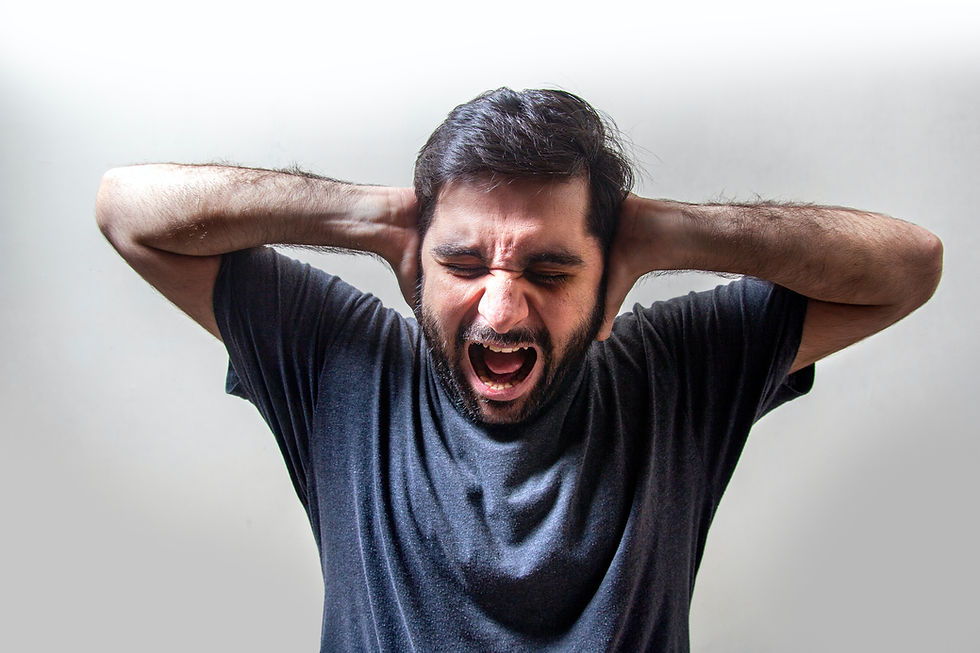
In Decatur, men often carry the pressure to stay strong, productive, and composed—no matter what they’re dealing with internally. While anxiety affects people of all genders, men are far less likely to talk openly about it or seek support. As a result, anxiety often goes unnoticed until it begins interfering with work, relationships, and overall health.
Understanding how anxiety shows up in men is an important step toward breaking the silence.
How Anxiety Often Looks Different in Men - Men and Anxiety Treatment in Decatur Georgia - Private Pay and Insurance Options Available
Anxiety in men doesn’t always appear as worry or fear. Instead, it may show up as irritability, restlessness, impatience, or constant tension.
Many men describe feeling “on edge,” easily frustrated, or unable to relax. Because these symptoms don’t match the common image of anxiety, they’re often dismissed as stress or personality traits.
The Pressure to Stay in Control
Cultural expectations frequently teach men to suppress emotion and handle problems alone. In communities like Decatur, where men often balance careers, family responsibilities, and financial pressure, this expectation can feel overwhelming.
Admitting anxiety may feel like failure, even though anxiety is a normal response to prolonged stress.
Anxiety and Work Performance
At work, anxiety can drive perfectionism, overworking, and fear of mistakes. While this may initially increase productivity, it often leads to burnout and exhaustion.
Men may push themselves harder rather than slow down, believing effort alone will fix how they feel. Over time, this approach usually worsens anxiety instead of relieving it.
Physical Symptoms Men Commonly Experience
Men are more likely to notice anxiety through physical symptoms rather than emotional ones. These may include headaches, muscle tension, stomach issues, chest tightness, or trouble sleeping.
Because the symptoms feel physical, many men focus only on the body, not realizing anxiety may be contributing.
Effects on Relationships
Anxiety can quietly strain relationships. Men may withdraw emotionally, avoid difficult conversations, or become short-tempered without understanding why.
Partners and loved ones may sense distance, even though the underlying issue is anxiety—not lack of care or commitment.
Avoidance and Coping Behaviors
Instead of addressing anxiety directly, some men turn to distraction—working longer hours, staying constantly busy, or avoiding downtime.
While these strategies may offer short-term relief, they often prevent real recovery and allow anxiety to build beneath the surface.
Why Support Matters
Anxiety doesn’t resolve simply by ignoring it or “powering through.” Learning how to manage stress, regulate emotions, and understand anxious patterns can significantly improve quality of life.
Support can help men feel more grounded, confident, and present—both at work and at home.
Redefining Strength
Seeking help for anxiety isn’t weakness. It’s awareness. Strength isn’t about carrying everything alone—it’s about recognizing when something needs attention.
When men learn healthier ways to cope, anxiety becomes more manageable rather than overwhelming.
In Decatur, many men are silently dealing with anxiety while continuing to meet expectations on the outside. But functioning isn’t the same as feeling well.
Addressing anxiety allows space for clarity, balance, and genuine connection.
Life is short. Sobriety is best. Mental health matters.
If you or a loved one are struggling with mental health issues, please give us a call today at 833-479-0797.


Comments